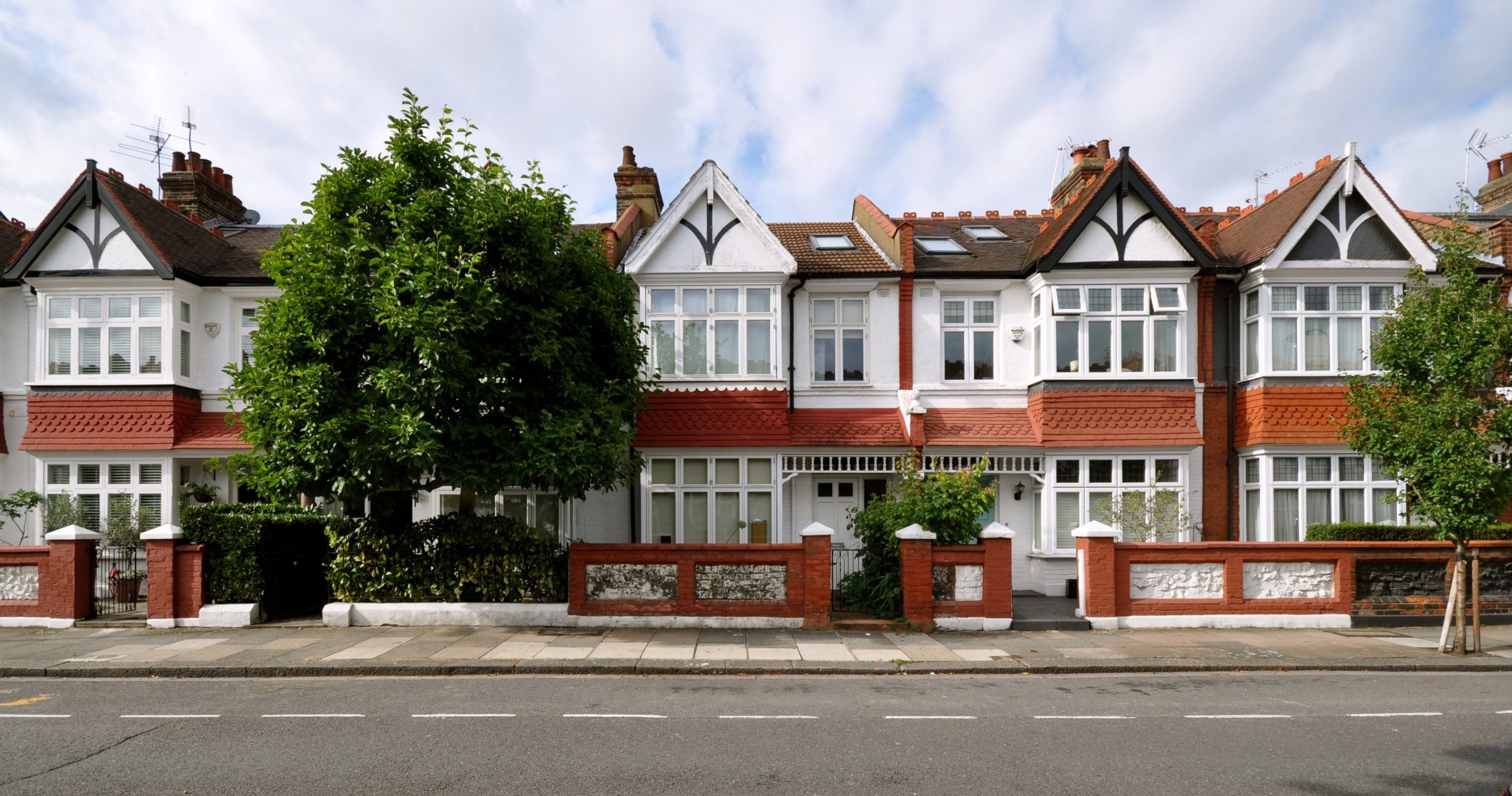
The Party Wall etc. Act 1996 is one of those bits of legislation that most homeowners have never heard of — until they're about to build an extension or their neighbour tells them they need to "do the party wall thing." Then it suddenly feels very important and very confusing.
As a party wall surveyor in Croydon, I deal with the Act every single week. The good news is it's actually pretty logical once you understand the basics. This guide will walk you through everything you need to know.
What Is the Party Wall Act?
The Party Wall etc. Act 1996 is a piece of UK legislation designed to prevent and resolve disputes between neighbours when building work affects a shared wall, boundary or nearby foundations. It applies throughout England and Wales.
The Act doesn't give either party veto rights over the other's building works. What it does is create a framework for managing those works in a way that's fair to everyone involved — and provides a dispute resolution mechanism if things go wrong.
When Does the Party Wall Act Apply?
The Act applies in three main situations:
- Party wall works — when you want to carry out works on or to a shared wall between your property and a neighbouring property (Section 2)
- New walls on the boundary — when you want to build a new wall on or at the boundary line (Section 1)
- Adjacent excavation — when you want to excavate within 3 or 6 metres of a neighbouring structure, depending on the depth of the excavation (Section 6)
What Works Are Covered?
Common examples of works that trigger the Party Wall Act in Croydon properties include:
The Party Wall Process Step by Step
Here's how the process typically works for a straightforward extension in Croydon:
- Serve the Party Wall Notice — you must serve written notice on all adjoining owners before you start work. The notice period varies: 1 month for a new wall at the boundary, 2 months for party wall works or adjacent excavation.
- Await response — your neighbour has 14 days to respond in writing. They can: (a) consent in writing, (b) consent subject to conditions, or (c) dissent (which triggers the appointment of surveyors).
- If they consent — great! You can proceed. We recommend recording the consent in writing and ideally carrying out a Schedule of Condition survey beforehand to protect both parties.
- If they dissent or don't respond — both parties must appoint surveyors (or agree on a single "agreed surveyor"). The surveyors draw up a Party Wall Award setting out the works and conditions.
- Works commence and complete — under the terms of the Award. A post-works inspection confirms no damage has occurred.
Starting notifiable works without serving a valid Party Wall Notice is an actionable wrong. Your neighbour could seek an injunction to stop the works, which could cost you far more in delays and legal fees than simply following the process correctly from the start.
What If My Neighbour Consents?
If your neighbour consents in writing within 14 days, you don't need a Party Wall Award. However, we strongly recommend commissioning a Schedule of Condition survey of the neighbouring property before works begin. This records the existing condition of your neighbour's property with photographs — so that if any damage is claimed after the works, you have a clear baseline to compare against.
We've seen clients wish they'd done this when a neighbour later claimed thousands of pounds in alleged damage that pre-existed the works.
What If My Neighbour Doesn't Consent?
If your neighbour dissents, or fails to respond within 14 days, this is called a dispute. Each party must then appoint a surveyor. You can either:
- Each appoint your own surveyor — the two surveyors work together to produce the Award
- Both agree to use a single "agreed surveyor" — typically faster and cheaper
The surveyors (or agreed surveyor) produce a Party Wall Award — a legal document that sets out exactly what works can be done, when, how and under what conditions. It also records the current condition of the neighbouring property.
Who Pays for the Party Wall Surveyor?
In almost all cases, the building owner (the person doing the works) pays for both surveyors' fees — including their neighbour's surveyor. This is a deliberate feature of the Act designed to ensure that the adjoining owner isn't financially disadvantaged for exercising their legal rights.
The only exception is where the adjoining owner's unreasonable behaviour drives up costs — in which case the Award can apportion some costs to them.
Party Wall FAQ
Need Party Wall Help in Croydon?
Our party wall surveyors can advise you, serve your notices and produce your Award.
Get Party Wall Advice