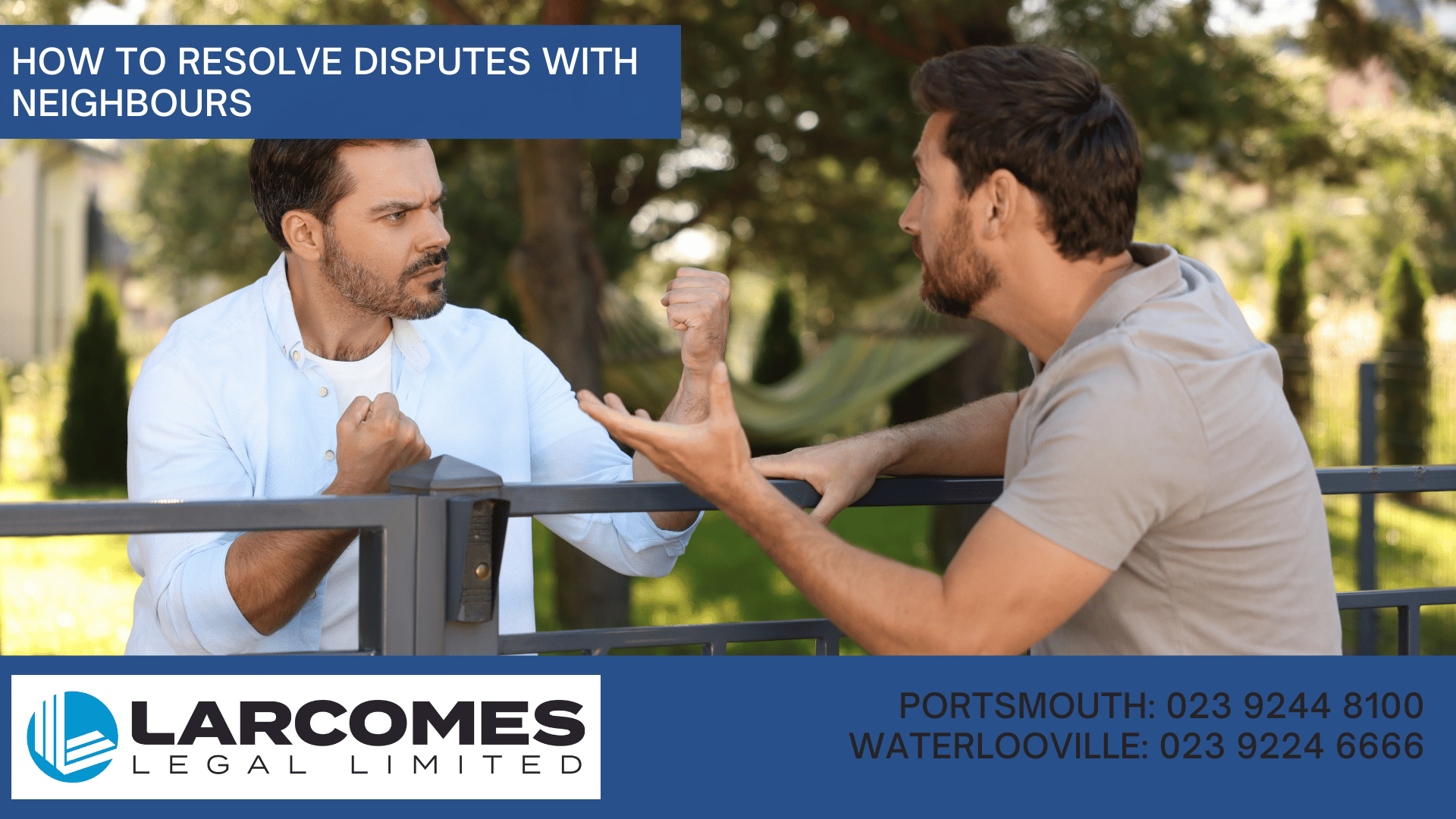
Party wall disputes between neighbours are more common than most people realise — and they can be genuinely stressful. The good news is that the vast majority are entirely avoidable with the right approach from the outset. And even when they do occur, the Party Wall etc. Act 1996 provides a clear, legally defined framework for resolving them.
In this guide, our party wall surveyor Tom Okafor explains the most common causes of party wall disputes in Croydon — and exactly what to do if you find yourself in one.
What Triggers Party Wall Disputes
In our experience, party wall disputes most commonly arise from:
- Failure to serve notice: The most common cause. A building owner starts work without serving the required notice on their adjoining neighbours. This is not just inconsiderate — it's a legal breach of the Act.
- Poor communication: Even where notice is served, disputes often arise because of how the process is handled — late notice, unclear drawings, or a feeling that the neighbour's concerns haven't been listened to.
- Disagreement about the scope of works: The adjoining owner may consent to an extension but not realise it involves significant excavation near their foundations.
- Damage during works: When damage occurs to an adjoining property — cracking, subsidence, damage to decorations — and there is no pre-works Schedule of Condition to refer to, disputes about liability become very difficult to resolve.
- Boundary uncertainty: Party wall works near uncertain boundaries can trigger broader boundary disputes, which are separate from (but can complicate) the party wall process.
How to Avoid Disputes Before They Start
The single most effective way to avoid a party wall dispute is to handle the process properly from the beginning:
- Serve notice early: The Act requires notice to be served at least 1–2 months before works begin (depending on the type of work). Don't leave it until the last minute.
- Talk to your neighbour first: Before formal notice is served, have a conversation with your neighbour about what you're planning. Show them drawings. Explain the timeline. Most people are more accommodating when they feel informed and respected.
- Use a professional: Instructing a party wall surveyor to draft and serve your notices professionally signals to your neighbour that you're taking the process seriously.
- Commission a Schedule of Condition: A pre-works photographic record of the adjoining property's condition removes uncertainty about whether any subsequent cracking or damage was caused by your works.
What Happens When a Neighbour Objects?
If a neighbour dissents (objects) to a Party Wall Notice, this does not mean work cannot proceed. It means the dispute resolution mechanism of the Act is triggered. The process is:
- Each party appoints their own surveyor (or they can agree to appoint an "agreed surveyor" to act for both).
- The two surveyors (or the agreed surveyor) prepare a Party Wall Award — a legal document that sets out the conditions under which the works may proceed.
- Works may proceed once the Award has been served on both parties.
The key point is that a neighbour's dissent is not a veto. The Act exists precisely to allow building works to proceed in a controlled, fair manner even where neighbours disagree.
The Party Wall Award Process
A Party Wall Award is a legally binding document that typically covers:
- The works permitted and any conditions attached to them
- Working hours and access arrangements
- A reference to the Schedule of Condition (pre-works photographic record)
- A security fund if required
- The surveyor's fees
The Award protects both parties: the building owner gets certainty that they can proceed; the adjoining owner gets a record of their property's condition and legal protection against damage.
Damage Claims and Schedule of Condition
One of the most contentious areas of party wall law is damage claims. When a crack appears in a neighbour's wall after nearby building works, the question of whether the works caused it — and who should pay to fix it — can become very difficult without objective evidence.
A Schedule of Condition is the solution. This is a photographic and written record of the adjoining property's condition before works begin. It's prepared by the party wall surveyor and agreed by both parties. If damage is subsequently claimed, the Schedule provides an objective baseline to compare against.
We always recommend including a Schedule of Condition in every party wall instruction — even where the neighbour has consented and there is no formal Award. The cost is modest; the protection it provides is significant.
Who Pays the Costs?
In the vast majority of cases, the building owner (the person carrying out the works) pays all party wall surveyors' fees — including the fee for the adjoining owner's surveyor. This is a source of surprise for many building owners, but it reflects the principle that the obligation to comply with the Act rests with the person doing the work.
Exceptions apply where the adjoining owner's surveyor has acted unreasonably or where there is a dispute about who is responsible for particular works (e.g., repairs to a shared party wall in disrepair).
When to Get Professional Help
You should consult a party wall surveyor as soon as you know you're planning works that may trigger the Act. This includes:
- Any work to or adjacent to a shared (party) wall
- Excavations within 3–6 metres of neighbouring foundations
- New walls on or near a boundary
At Croydon Surveyors, our party wall team — led by Tom Okafor — has handled hundreds of party wall matters across the borough. We can advise on whether the Act applies, serve notices on your behalf, and act as your surveyor or as an agreed surveyor.
Contact us today for a free initial consultation on your party wall matter.
Our party wall specialists can advise you free of charge. Get in touch today — we respond within 2 hours on weekdays.