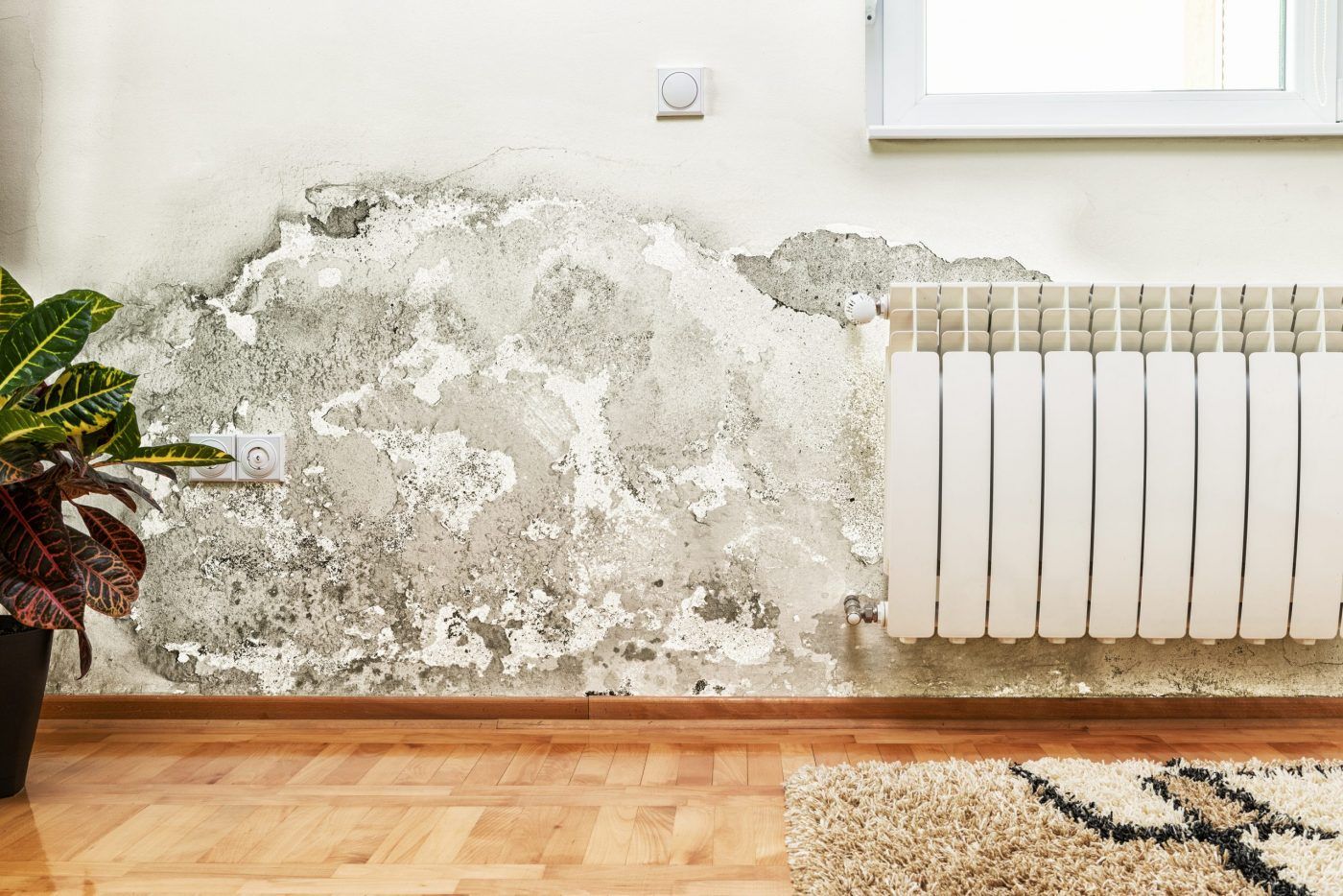
Damp is one of the most common — and most misunderstood — problems surveyors encounter in UK properties. In Croydon alone, I'd estimate we identify significant damp-related issues in around 40–50% of the Victorian and Edwardian properties we survey. Yet the cause is misdiagnosed far more often than it should be.
Here's the important truth: not all damp is the same. Rising damp, penetrating damp and condensation are three completely different problems with different causes, different appearances and completely different solutions. Getting the diagnosis wrong is expensive and frustrating.
Why Does Getting the Damp Diagnosis Right Matter So Much?
The damp-proofing industry is, unfortunately, rife with misdiagnosis. Many contractors have a financial incentive to diagnose rising damp (which requires expensive chemical injection treatments) even when the real culprit is condensation (which costs almost nothing to address) or penetrating damp (which requires basic building repairs).
One of the most common scenarios we see as Croydon surveyors is a property that has had expensive rising damp treatment installed — yet the damp has returned within a few years, because the actual cause was never addressed.
Rising Damp
What it is: Rising damp occurs when groundwater migrates upward through masonry via capillary action — essentially, the bricks and mortar act like a sponge, drawing moisture up from the ground.
How to spot it:
- Damp only affects the lower portion of walls — typically up to about 1 metre
- A distinctive 'tide mark' on internal plaster as the damp dries and re-wets cyclically
- White salt deposits (efflorescence) on the wall surface as salts are carried up from the ground
- Decaying timber at floor level (skirting boards, floor joists)
What causes it: Most commonly, a failed or absent damp-proof course (DPC). All properties built after around 1875 should have a DPC — usually a thin layer of slate, lead, bituminous felt or modern plastic membrane just above ground level in the external walls. If this fails, groundwater can rise.
True rising damp is actually relatively rare — far more common than the damp-proofing industry would have you believe. Most suspected rising damp is actually condensation or penetrating damp. Always get an independent assessment from a RICS surveyor before commissioning any treatment.
Penetrating Damp
What it is: Penetrating damp occurs when water enters through the fabric of the building — through cracks, gaps, failed pointing, defective flashings or any other breach in the external envelope.
How to spot it:
- Damp patches that appear or worsen during or after rainfall
- Damp not confined to the lower portions of walls — can appear at any height
- Localised patches corresponding to specific defects (around windows, chimney breasts, below gutters)
- No tide mark or salt deposits (distinguishing it from rising damp)
Common sources in Croydon Victorian properties:
- Failed parapet flashings and lead soakers
- Cracked or spalled brickwork allowing water ingress
- Defective or missing pointing
- Overflowing or leaking gutters and downpipes
- Failed render or pebbledash
Condensation
What it is: Condensation is by far the most common form of dampness in UK homes. It occurs when warm, moisture-laden air meets a cold surface and deposits its moisture. It's a lifestyle issue as much as a building defect.
How to spot it:
- Black mould growth on walls, particularly in corners and behind furniture
- Streaming windows, especially in bathrooms and kitchens
- Musty smell throughout the property
- Typically appears in winter and improves in summer
What causes it: Inadequate ventilation, insufficient heating and thermal cold bridges (where heat escapes through the fabric of the building, creating cold spots on internal surfaces). Modern double-glazing and draught-proofing, ironically, can make condensation worse by reducing natural ventilation.
The solution is almost always improved ventilation (trickle vents, extractor fans, mechanical ventilation) rather than expensive chemical treatments.
The Misdiagnosis Problem: A Real Croydon Example
We surveyed a 1905 terrace in Norbury last year where the vendor had spent £3,200 on a "professional" rising damp treatment the previous year. Our moisture meter readings told a different story — the damp was concentrated around the chimney breast and above the bay window, not in the lower walls. The actual cause was a failed lead flashing at the chimney and a cracked lintel above the bay allowing rainwater in.
The rising damp treatment had done absolutely nothing — because there was no rising damp. The buyer used our survey to negotiate a significant reduction in price to cover both the remediation works and the wasted £3,200.
What Should You Do If You Find Damp in a Property?
If a survey flags damp, or you notice damp in a property you're about to buy:
- Get an independent assessment first — not from a damp-proofing contractor who profits from treating it, but from a RICS surveyor
- Identify the root cause before agreeing any treatment — fixing penetrating damp requires fixing the building defect, not applying chemical injections
- Use the survey findings to negotiate — damp remediation costs can range from £200 for a gutter repair to £5,000+ for full DPC installation
- Don't panic — almost all damp problems in UK properties are fixable at reasonable cost when correctly diagnosed
FAQ on Damp in Properties
Concerned About Damp in a Property?
Our Croydon surveyors can give you an honest, independent assessment.
Book a Survey