After hundreds of surveys across Croydon and South London, our RICS surveyors have developed a clear picture of the defects that catch buyers off-guard most often. These aren't just cosmetic niggles — they're often structural, damp-related or legal issues that can cost thousands to put right.
Here are the ten we encounter most frequently, along with honest, realistic cost estimates for 2025.
1. Cavity Wall Tie Failure
One of the most common and costly defects in properties built between 1920 and 1980. Metal wall ties that bond the inner and outer leaf of a cavity wall can corrode and expand, causing horizontal cracking and, in severe cases, the outer wall to bow outward.
It's invisible from the outside until it becomes serious — and many vendors and agents don't even know it's there. Our surveyors use a borescope camera to inspect the cavity without any invasive opening-up works.
- Repair cost: £3,000–£8,000 depending on extent and number of ties required
- Most common in: South Croydon, Addiscombe, Thornton Heath (interwar housing)
- Urgency: High — can escalate quickly once corrosion begins
2. Flat Roof Deterioration
Extensions, garages and bay window roofs are frequently covered with felt or asphalt flat roofs that have a limited lifespan of 10–20 years. By the time a property comes to market, many flat roof coverings are already at or beyond their expected life.
Signs include surface cracking, pooling water, moss growth and blistering. Left untreated, the result is water ingress into the structure below — often without obvious signs until significant damage has occurred.
- Repair cost: £800–£3,500 per flat roof area (felt replacement); up to £6,000 for GRP fibreglass
- Urgency: Medium-high — waterproofing failure is a priority repair
3. Rising Damp & Failed Damp-Proof Course
True rising damp — where groundwater travels upward through a wall — is less common than often diagnosed, but it does exist. More frequently we find failed or bridged damp-proof courses (DPCs): the horizontal barrier that's supposed to prevent moisture rising through masonry.
DPC bridging (where external ground levels, paths or render rise above the DPC line) is extremely common in older Croydon terraces and is straightforward to address. The fix is often simpler than the damp treatment companies suggest.
- Repair cost: £300–£800 to address bridging; £1,500–£3,500 for chemical DPC injection if required
- Watch out for: Over-diagnosis by remedial damp companies — always get a surveyor's independent view first
4. Subsidence & Heave
Subsidence — the downward movement of ground beneath a building — is one of the most feared defects. It's most commonly caused by clay soils shrinking during drought, leaking drains washing away sub-soil, or tree root activity. In Croydon, the combination of Victorian construction on London Clay and mature street trees makes this a real risk.
We look for diagonal cracking radiating from window and door corners, sticking doors and windows, and visible slope in floors. A structural engineer's opinion is almost always required when we flag subsidence risk.
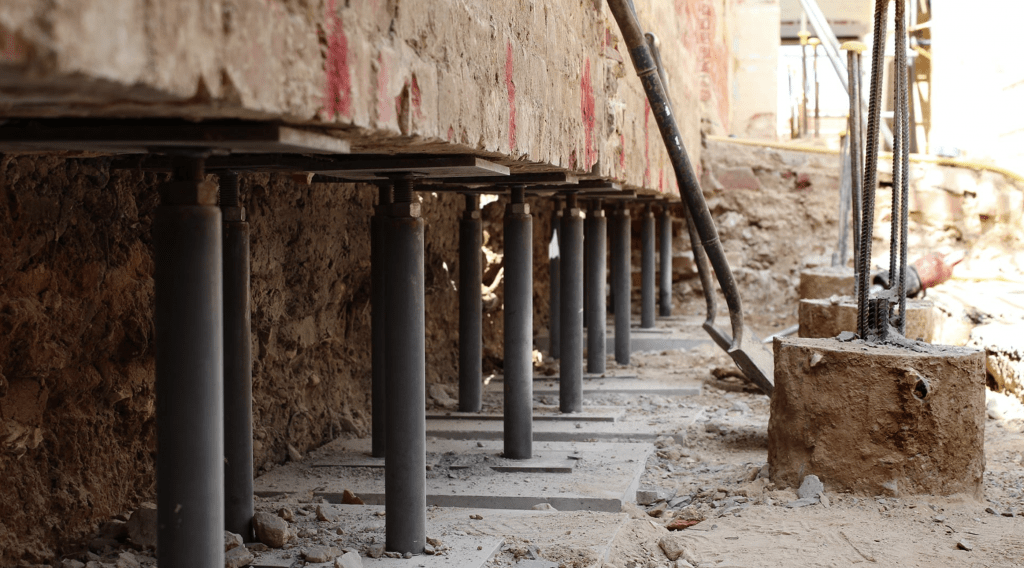
- Repair cost: £5,000–£50,000+ depending on cause and extent (underpinning is a major undertaking)
- Important: Mortgage lenders may require specialist investigations; insurance can be affected
5. Timber Decay & Woodworm
Older properties with suspended timber floors and roof structures are vulnerable to both wet rot (caused by persistent moisture) and dry rot (a fungal infection that can spread through masonry). Woodworm — the larvae of wood-boring beetles — is common in Victorian properties and can significantly weaken structural timbers if untreated.
- Wet rot repair cost: £500–£3,000 per affected area
- Dry rot treatment: £1,500–£15,000+ (requires removal of all affected timber and masonry)
- Woodworm treatment: £300–£900 for chemical treatment; additional costs if structural timbers need replacing
6. Outdated Electrical Wiring
Many pre-1970s properties still have original wiring systems — rubber-insulated cables, old round-pin sockets, fuse boards without RCD protection. These are fire and electrocution hazards that mortgage lenders increasingly flag. Surveyors don't test electrical systems (that's the job of a NICEIC-registered electrician), but we identify indicators that an electrical inspection (EICR) is needed.
- Full rewire cost: £3,500–£8,000 for a typical 3-bedroom house
- Consumer unit upgrade: £500–£900
- Note: Buyers can often request an EICR is carried out by the vendor before exchange
7. Roof Spread
In properties where the roof structure was not designed with adequate restraints, the outward thrust of roof rafters can push the top of external walls outward — a defect known as roof spread. It's identified by a visible lean in the external wall at eaves level, cracking at the wall-plate junction, and in severe cases, distortion of the roof plane.
- Repair cost: £2,000–£7,000 depending on extent
- Most common in: Pre-1920 properties without adequate wall ties or strapping
8. Chimney Defects
Chimney stacks — particularly on Victorian and Edwardian properties — are among the most exposed elements of a building. Deteriorated pointing, failed flaunching (the mortar that holds the pot), cracked or spalled brickwork and damaged lead flashings are all common findings. Left unattended, chimney leaks can cause extensive damage to roof structures and internal ceilings.
- Repointing & flaunching: £400–£1,200 per stack
- Chimney rebuild (partial): £1,500–£4,000
9. Unauthorised Building Works
Extensions, conversions and structural alterations carried out without planning permission or building regulations approval are a significant legal risk. If the works were completed within the last four years (planning) or are ongoing (building regs), they may need to be regularised or removed.
Our surveyors flag works that appear to have been carried out without consent — from loft conversions with no evidence of building regulations sign-off to rear extensions that don't match planning records. Buyers should instruct their solicitor to investigate further.
- Cost of regularisation: Varies widely — from a simple indemnity insurance policy (£200–£500) to full building control retrospective approval or even demolition
10. Misdiagnosed Condensation
Condensation is the most common form of moisture problem in UK homes — and the most frequently misdiagnosed as "rising damp" or "penetrating damp." It occurs when warm, moist air meets cold surfaces and deposits moisture. It's particularly prevalent in poorly ventilated bathrooms, kitchens and bedrooms.
The good news is that condensation is almost always addressable through improved ventilation and heating — not expensive remedial damp treatments. We always carry out a thorough assessment to distinguish between the three types before making any recommendations.
- Remediation cost: £0–£1,500 (ventilation improvements, draught-proofing, loft insulation upgrades)
- Compare this with: Unnecessary damp treatment quotes of £3,000–£8,000 from remedial companies
Our Advice
The single most important thing any property buyer can do is commission an independent survey before exchanging contracts. A Level 2 HomeBuyer Report or Level 3 Building Survey from an RICS-accredited surveyor will identify these issues, give you cost guidance, and put you in a strong position to renegotiate — or walk away if necessary.
If you're buying in Croydon or South London, contact our team for a free, no-obligation quote. We'll recommend the right survey for your property and make sure nothing is missed.
Our RICS surveyors cover all areas of Croydon and South London. Get a free quote and we'll respond within 2 hours on weekdays.