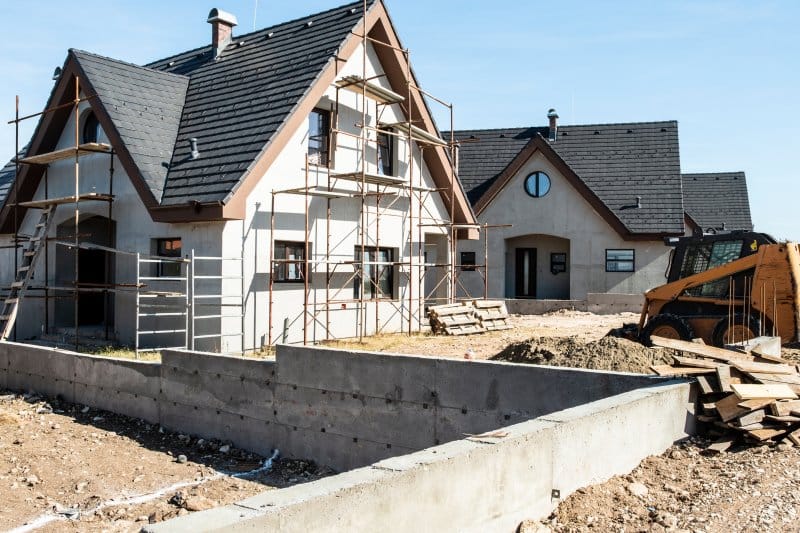
There's a common misconception that new-build homes don't need surveys. After all, everything is brand new — what could possibly be wrong? In reality, new-build properties have some of the highest rates of defects of any property type. The difference is that those defects are your developer's responsibility to fix — but only if you identify them in time.
A snagging survey is the tool that protects you.
What Is a Snagging Survey?
A snagging survey is an inspection of a newly built (or recently completed) property to identify defects, incomplete works and items that don't meet the required standard. The resulting report — a "snagging list" — is then submitted to the developer or builder, who is obliged to rectify the issues under the terms of your contract and any applicable warranty (such as NHBC Buildmark).
Snagging surveys are different from a standard RICS Level 1, 2 or 3 survey. They're specifically designed for new properties and focus on construction quality, finish and compliance with building regulations rather than age-related defects.
Why New Builds Need Surveys Too
Independent surveys and research consistently show that the majority of new-build homes have defects at the point of completion. A 2023 survey by the New Homes Quality Board found that more than 90% of new homeowners reported snags in the first two years. Common issues include:
- Poor plasterwork — cracks, uneven surfaces, blow spots
- Incomplete or poorly fitted joinery (doors that don't close, skirting gaps)
- Drainage and plumbing issues — slow-draining waste pipes, leaking fittings
- Inadequate insulation — often only discovered in the first cold winter
- External finishing issues — poorly pointed brickwork, defective render, drainage falls that cause ponding
- Ventilation inadequacies — insufficient trickle vents or mechanical extract
- Electrical items — sockets not flush, switches not level, missing covers
What Does a Snagging Survey Cover?
A comprehensive snagging inspection covers both the interior and exterior of the property:
- Exterior: Brickwork, render, windows and doors (fitting, sealing, operation), roof tiles, gutters, drainage, paths, drives and gardens
- Interior — structure: Wall plasterwork, ceilings, floor levelness, staircase construction
- Interior — finishes: Tiling, floor coverings, skirting, architraves, door furniture, kitchen and bathroom units
- Services: Electrical installation, heating system, plumbing, ventilation
- Loft space: Insulation depth and coverage, structural members, any evidence of defects
When Should You Get One?
The ideal time for a snagging survey is before legal completion — i.e., before you hand over your money. This gives you the strongest possible leverage with your developer, as they haven't yet received full payment.
However, developers frequently resist pre-completion access for independent surveyors. If your developer won't allow pre-completion access, get your snagging survey done as soon as possible after moving in — ideally within the first two weeks.
Many new-build warranties have a two-year "developer liability" period during which the builder must fix defects. After this period, the warranty company takes over — but only for major structural defects. So time is of the essence.
Can My Developer Refuse Access?
Technically, yes — a developer can refuse access to an independent surveyor before completion, since they still own the property. However, this is a red flag. Developers who are confident in the quality of their work generally have no objection to an independent inspection.
If your developer refuses access, document this in writing. After completion, as the new owner, you have every right to commission an inspection at any time.
How to Use Your Snagging Report
A professional snagging report will itemise every defect found, with photographs and reference to the relevant standard or specification. To use it effectively:
- Submit the full report to your developer's customer care team in writing (email is fine, keep copies)
- Set a reasonable deadline for rectification — typically 28 days for minor items, sooner for anything urgent
- Follow up in writing if the deadline is missed
- If the developer fails to act, escalate through the New Homes Ombudsman or your warranty provider
- Keep a record of all communications — this will be invaluable if you need to escalate
How Much Does a Snagging Survey Cost?
A professional snagging survey from an independent RICS-accredited surveyor typically costs between £300 and £600 for a standard new-build house, depending on size. For apartments, costs are typically £250–£400.
Given that the average snagging list identifies £1,500–£3,000 worth of defects that the developer is obliged to fix for free, a snagging survey offers an exceptional return on investment.
If you're buying a new-build property in Croydon or South London, contact our team to discuss a snagging survey. We'll advise on timing, access arrangements and how to get the best result from the process.
Don't move in without a snagging survey. Get a free quote today — we respond within 2 hours on weekdays.