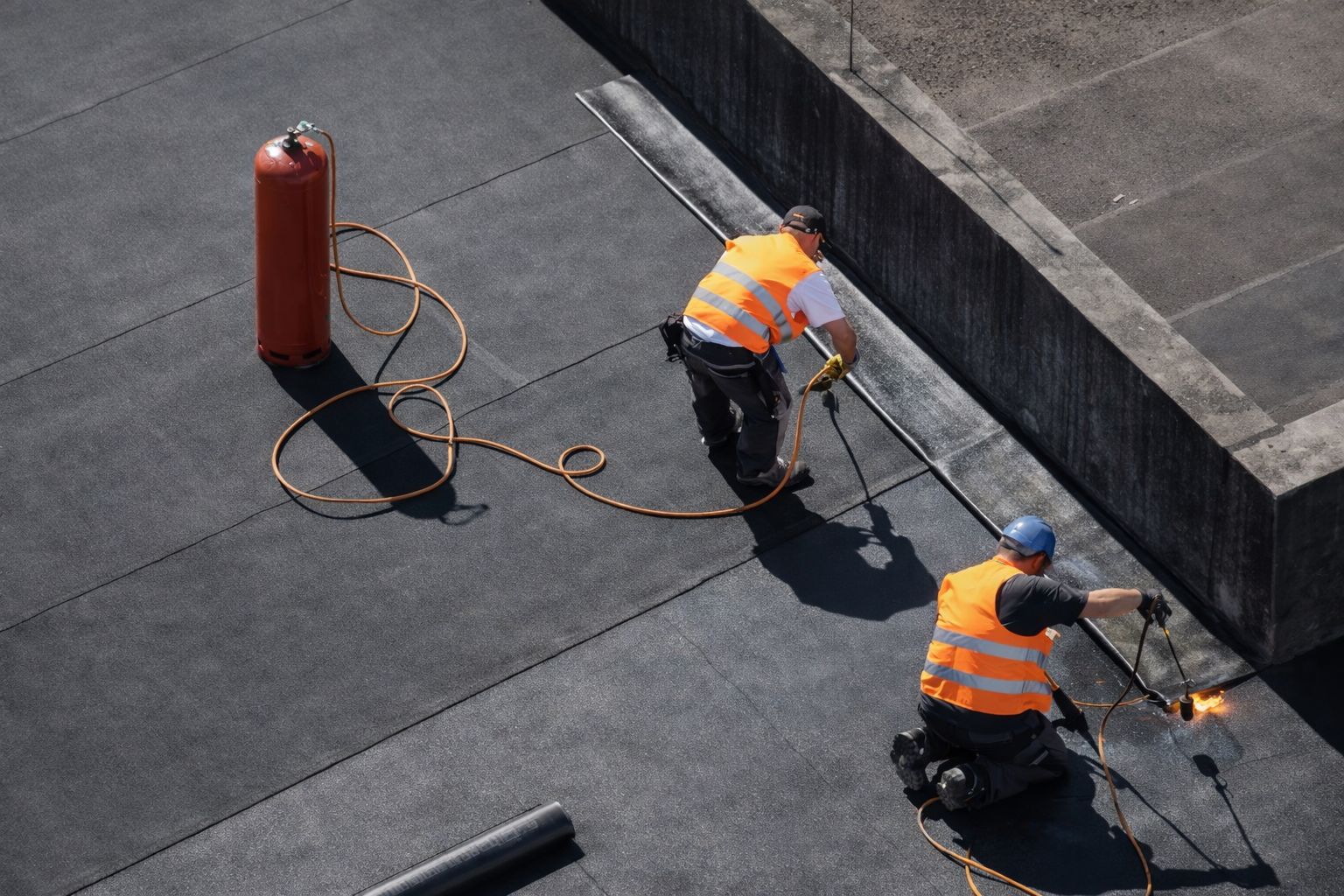
Flat roofs are one of the most frequently flagged items in property surveys across Croydon. Almost every property with an extension, garage, bay window or rear addition has at least one flat roof section — and the majority have reached or exceeded their expected service life by the time the property comes to market.
Understanding flat roof defects, their causes, and what they cost to fix will help you make better decisions as a buyer — and negotiate more effectively when issues are found.
Types of Flat Roof Covering
The covering material is the most important factor in assessing the condition and remaining life of a flat roof. The main types found in Croydon properties are:
- Built-up felt: The most common covering on older extensions and garages. Consists of multiple layers of bituminous felt bonded together. Lifespan: 10–20 years.
- Single-ply membrane (TPO, EPDM, PVC): Increasingly common on newer extensions. More durable and flexible than felt. Lifespan: 20–35 years.
- GRP fibreglass: Extremely durable and seamless. Now the preferred choice for new flat roof installations. Lifespan: 25–40 years.
- Lead: Traditional and very durable, but requires skilled installation. Commonly found on bay window roofs in Victorian properties. Lifespan: 50–100+ years if well maintained.
- Asphalt (mastic asphalt): A traditional warm roof covering, usually found on older properties. Can be very durable but brittle when cold. Lifespan: 20–50 years.
Expected Lifespan of Flat Roofs
The key question is: how old is the flat roof covering and how much life does it have left? This is something our surveyors assess based on visual inspection, surface condition, and any available documentation.
A flat roof covering approaching the end of its expected life — even if it hasn't yet failed — is a legitimate survey finding that justifies a price reduction or a request for the vendor to contribute to replacement costs.
What Surveyors Look For
When we inspect a flat roof, we're looking for:
- Surface condition: Cracking, crazing, blistering, bubbling or splitting of the covering material are signs of deterioration and potential water ingress.
- Ponding water: Flat roofs should be laid to a minimum fall of 1:40 to allow water to drain. Where falls are inadequate, water ponds — accelerating deterioration and increasing the risk of leaks.
- Upstand and flashings: Where the flat roof meets a wall, the waterproofing must be dressed up the wall as an upstand and secured with a metal flashing. Failed flashings are a very common cause of leaks.
- Condition of outlets and gutters: Blocked outlets or overflowing gutters cause water to back up onto the roof surface.
- Evidence of previous repairs: Multiple layers of patching felt or bituminous compound indicate a history of leaks and suggest the roof is near the end of its life.
- Vegetation growth: Moss, algae and in some cases plants growing on the roof surface indicate standing water and may indicate the covering is failing.
- Internal evidence of water ingress: Staining to ceilings below the flat roof area, soft plasterwork or timber decay in the room below.
Warning Signs Visible Without a Survey
At a viewing, keep an eye out for these indicators of flat roof problems:
- Staining on ceilings below flat roof areas (brown marks, tide lines)
- Damp smell in rooms below extensions or garages
- Visible cracking or lifting of the flat roof surface from the garden or upstairs windows
- Moss or vegetation growth on the roof
- Evidence of multiple repair patches visible from ground level
Any of these warrant specific investigation in your survey report.
Consequences of Ignoring Flat Roof Defects
A failing flat roof that isn't addressed will cause progressive damage to the structure beneath it. Typical consequences include:
- Water ingress leading to damage to plasterwork and ceiling finishes
- Wet rot in roof joists and wall plates
- Damage to electrical fittings and wiring in the room below
- In severe cases, structural damage to the flat roof structure itself
What starts as a £1,500 felt replacement can become a £6,000–£10,000 structural repair if left long enough.
Repair and Replacement Costs 2025
- Felt flat roof replacement (standard extension): £1,200–£2,500
- GRP fibreglass replacement: £1,800–£3,500
- EPDM single-ply replacement: £1,500–£3,000
- Lead bay window roof: £600–£1,800 depending on extent
- Flashing replacement only: £300–£800
- Structural repair to flat roof joists (if wet rot found): £1,500–£5,000+
These are indicative costs for Croydon and South London in 2025. Always obtain at least three quotes from reputable local contractors.
Using Flat Roof Findings in Negotiations
A flat roof that is at or near the end of its life is a legitimate basis for price renegotiation. Our surveying reports will clearly state the condition of any flat roof areas, the likely remaining life, and an estimated replacement cost — giving you the evidence you need to have a professional conversation with the vendor or their agent.
If you're buying a property in Croydon with flat roof areas, book a survey with our team. We'll give you the full picture before you commit.
Our RICS surveyors will assess it thoroughly and give you honest cost guidance. Get a free survey quote today.